A pressure injury occurs when persistent pressure, or a combination of pressure and shear, damages the skin and underlying tissue, typically over bony prominences. Injuries can range in severity from intact skin with non-blanchable erythema (Stage I) to full-thickness tissue loss with exposed bone, tendon or muscle (Stage IV). The severity of injury is influenced by both the intensity and duration of pressure, making early detection and intervention essential to prevent further damage (Neyt et al, 2024).
Current clinical guidelines recommend minimising pressure and shear through the use of appropriate support surfaces and regular repositioning. Multilayer foam dressings, originally developed for wound management, are increasingly used as an adjunct strategy for skin protection. These dressings help redistribute mechanical forces, reducing pressure and shear over high-risk areas such as the sacrum. Research by Sieracki et al (2020) supports their use, demonstrating that foam dressings significantly reduce tissue deformation and stress compared with no dressing use.
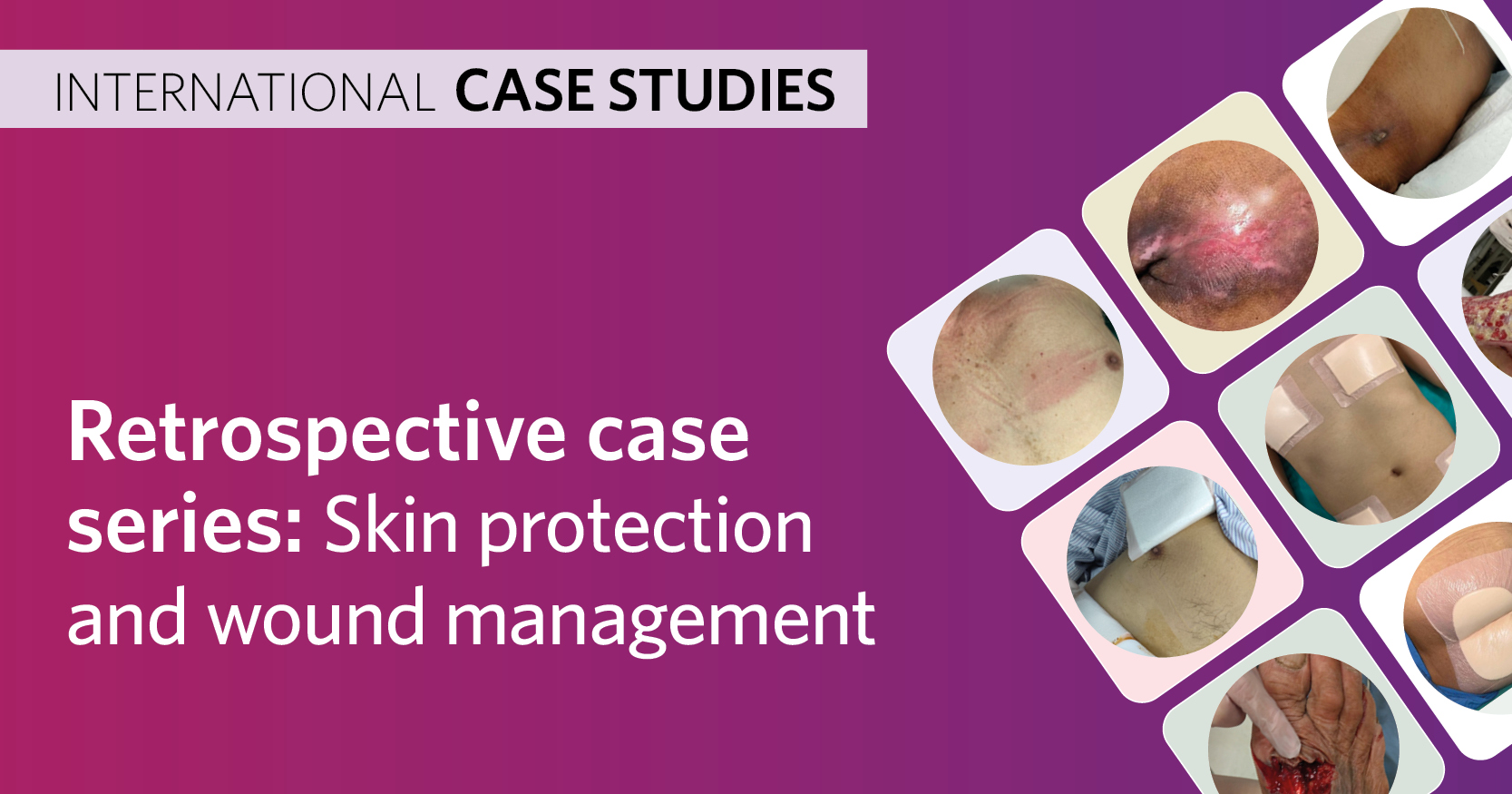
Selecting the right dressing is essential in wound management. This case series explores the use of advanced foam dressings, particularly Aquacel® Foam Pro, to maintain skin integrity. Aquacel® Foam Pro is designed to protect the skin from breakdown when used as part of a care protocol, minimising shear forces and friction before the onset of skin damage (Convatec, 2015; Steven et al, 2015). Its low-friction outer surface allows smooth movement across bed linens and other materials, reducing the risk of dressing displacement and associated skin trauma. The multi-layered structure includes a breathable, waterproof protective film to protect against external contaminants, a Hydrofiber® layer to absorb exudate and manage moisture and a perforated silicone adhesive contact layer for gentle application and atraumatic removal.
Healthcare professionals have a responsibility to assess wounds and periwound skin at each dressing change to determine the appropriate frequency of replacement (Wounds UK, 2012). Heavily exuding wounds, for example, require more frequent dressing changes to prevent maceration, exudate leakage and patient discomfort. The ability to lift and reposition Aquacel® Foam Pro dressings without full removal allows clinicians to monitor skin condition while maintaining dressing adherence and patient comfort.
Conclusion
This retrospective case series highlights the successful use of Aquacel® Foam Pro dressings and other products for skin protection and wound management by healthcare practitioners across the Asia-Pacific region. The cases demonstrate the versatility of these dressings in protecting at-risk anatomical areas and supporting the management of various wound types, from preserving skin integrity during prolonged prone positioning to treating established pressure injuries and skin tears.
Download the PDF below to access the full case series