You notice the bandage more than the heartbeat. That’s how it usually goes. The ache on your leg or the sore on your foot gets your attention because it’s visible, painful and persistent. But the heartbeat, the one you barely register until a nurse puts a cuff on your arm, may be the real reason your wound is still there.
A wound that doesn’t heal is more than a skin-deep issue, it’s a signal saying: “The blood isn’t getting where it needs to go.” And without that blood, even the best ointment in the world can’t do much. Your blood is a delivery system for immune cells, nutrients, hormones, moisture, and clotting factors. If that system slows down or clogs up, wounds stop progressing through the normal stages of healing. They get stuck in a cycle of inflammation and become chronic (Guo and DiPietro, 2010)
This is why wound care that skips over your cardiovascular health misses the mark. The surface tells the story, but the cause often begins deeper. When your wound refuses to heal, start by looking beneath the surface
The wound has been there too long. You’ve cleaned it, bandaged it, watched what you eat, followed the instructions. But it’s still raw, still open, still refusing to go away. This is the moment to stop looking only at the surface.
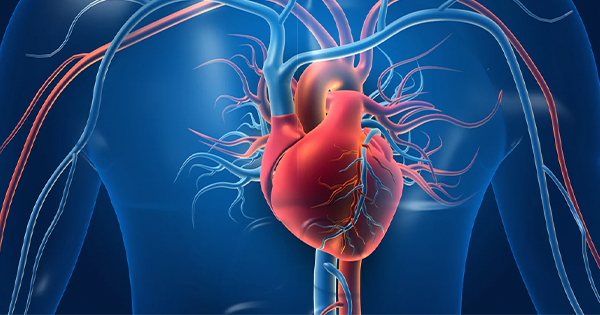
If a wound lingers, the root cause often lies beneath. Circulation is the silent partner in every stage of healing (Sen, 2019). When your heart isn’t pumping well, your body doesn’t get the blood flow it needs. And without blood, there’s no healing.
But circulation isn’t the only factor. Chronic wounds are multifactorial. Infection, biofilm, poor nutrition, smoking and uncontrolled diabetes are all major barriers (Frykberg and Banks, 2015). Even when these elements are addressed, impaired blood supply can remain the limiting factor that prevents closure. People tend to focus on the wound they can see. But your heart may be the problem you can’t see. High blood pressure, heart failure, narrowed arteries, peripheral artery disease; each of these cuts off the steady supply of nutrients your cells need to repair themselves (Armstrong et al, 2017). You’re left with a wound that’s stuck in place.
How circulation becomes the hidden villain in chronic wound care
A wound is supposed to heal. That’s the expectation. A scrape fades. A cut closes. A sore goes away. But when it doesn’t, the culprit is often hiding beneath the surface, deep inside the vessels meant to keep you alive. That culprit is poor circulation.
Blood keeps everything moving. It delivers oxygen to fight infection, immune cells to clear debris, and nutrients to fuel growth (Schreml et al, 2010). When blood flow is restricted, wounds become stagnant. They dry out, they fester, and stall in the inflammatory phase.
Hardened arteries, heart damage, and poor lifestyle habits choke off that vital supply. The foot darkens, the skin gets fragile, swelling sneaks in. The wound doesn’t look better; it just looks familiar, day after day.
And worse, a minor sore can grow into a deep, infected ulcer. It happens fast and it’s dangerous.
Wounds caused by poor circulation can’t be healed with bandages alone. They need blood, and that starts with your heart.
Why your treatment plan fails when it ignores your cardiovascular health
You follow instructions. You change the dressing. You take the pills. You show up for check-ups, but the wound refuses to close. Your care plan might look thorough, but if no one’s checking your heart, it’s incomplete.
Wound care that ignores circulation is like watering a plant with a sealed watering can. Nothing gets through.
Your body needs oxygen and nutrients delivered through a healthy vascular system. When arteries are clogged or the heart is weak, those resources never arrive, and the wound stays stuck in limbo.
For people with diabetes, heart disease, or high blood pressure, this is even more urgent. The blood moves slowly, the tissue starves, and no amount of topical care can fix what the body can’t reach.
Real healing starts when the heart is part of the plan.
What healing looks like when circulation improves
You feel the shift before you see it. The pain fades, the swelling softens. Then one day, the wound is smaller, less raw, and less frightening.
That’s what happens when circulation improves. When your heart works better, your body heals faster. Wound care that includes cardiovascular screening and management leads to better outcomes.
At West Feliciana Parish Hospital, we know how these systems connect. Our Wound Care Center treats more than the sore. We look at circulation, heart function, and the whole person.
If your wound hasn’t healed, maybe it’s time to listen to your heartbeat. And get care that’s listened to.