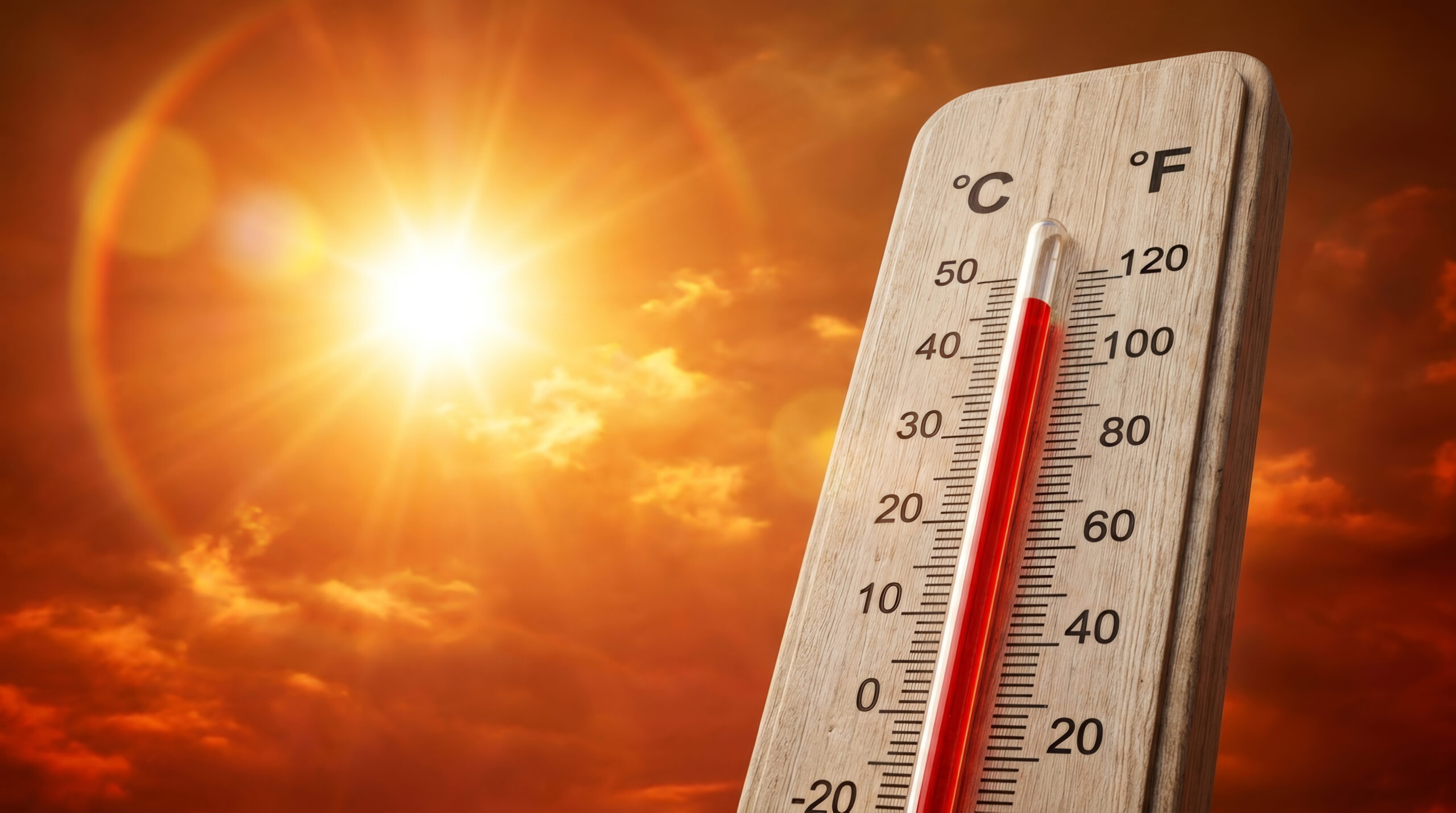
Climate change poses an unprecedented risk to human health. “Deadly heatwaves, rising outbreaks of infectious diseases, and failing hospitals—the effects of climate change are among the greatest public health threats of the 21st century” (Padilha and Ghebreyesus, 2025). Temperatures worldwide are predicted to continue climbing, and extreme weather events are expected to become even more common (McMichael et al, 2006; World Meteorological Organisation, 2023).
Humans need to maintain a stable core body temperature to avoid risk of severe health effects, such as heat stress, heat stroke,and death (Staiger et al, 2012; Kjellstrom et al, 2017). They do this through a mix of behavioural and autonomic thermoregulation (Périard et al, 2021). As temperatures increase, autonomic processes including vasodilation and sweating redirect blood from the body’s core to the skin surface to facilitate heat loss (Charkoudian, 2010). In cases of lymphatic dysfunction, elevated fluid movement may exacerbate swelling (Aberdour and Piller, 2015).
Lymphoedema is a major global health issue, affecting an estimated 250 million people (Greene, 2015; Vorihilala, 2025). It arises from disrupted balance between fluid entering and leaving the interstitial space via capillary filtration and lymphatic drainage (National Lymphoedema Partnership, 2015). Clinically, it presents as chronic swelling, predominantly in the limbs, though involvement of the genitals, trunk, or head and neck is also observed (Executive Committee of the International Society of Lymphology, 2023).
A systematic review published in 2021 identified only five studies that specifically examined the impact of climate and climatic variations on lymphoedema, with a further study published in 2023 underscoring a significant gap in both qualitative and quantitative evidence relating to this theme (Witt et al, 2021; Phillips et al, 2023). Subsequent focus groups offered valuable insights into patient experiences of managing lymphoedema across seasonal changes. Focus groups were completed in Australia (n=12) and in Germany (n=12). Outcomes from these focus groups have been published elsewhere and will not be further described in this paper (Witt et al, 2024, 2026).
While this qualitative data is rich, it reflects the perspectives of a small group with a particular interest in the topic, making generalisation for the broader lymphoedema population challenging. (Andrade, 2021; Jager et al, 2017). Additionally, the non-random, small-scale nature of focus group sampling is a well-recognised methodological weakness, particularly when researchers aim to generalise findings to a larger population, as opposed to exploring themes within a specific context. Furthermore, the people who tend to respond to a request to participate in focus groups are those who have a vested interest in the topic causing potential for bias. There can also be challenges in the analysis if groups are dominated by individuals permitting only one opinion to be heard (Smithson, 2000).
To validate these findings, key points from the focus groups were developed into a questionnaire and disseminated globally through lymphoedema networks using a snowball sampling approach. Distribution occurred through personal links and contacts as well as emails that were sent to patient support groups inviting them to distribute further through their own networks.
Information about the survey was given in a range of patient-centred Lymphoedema related publications including the British Lymphology Society News and Views (Witt, 2024). Contacts were asked to display the promotional flyer in their clinics and to circulate it further through their own networks. Several presentations to key lymphoedema groups were undertaken including the Northern Territory Lymphoedema Special Interest Group and the Lymphoedema Framework: Japan. Social media networks were also used to promote the survey.
Methods
The survey was a cross-sectional, international online questionnaire administered in Qualtrics and offered in nine languages (www.qualtrics.com).
Ethics approval was granted by the Flinders University Human Research Ethics Committee (Nr. 6498).
After consolidation in Qualtrics results were exported to SPSS 31.0 (IBM) for further analysis. To limit priming, backward navigation was disabled, so respondents described their own experience before being shown the themes drawn from earlier focus groups (recorded as 16 climate statements) (Strack, 1992; Molden, 2014). Of the 1,512 responses received, incomplete records were removed, leaving an analytic sample of 1,349. The 16 climate statements were complete for 1,176 respondents.
Demographic and clinical characteristics were summarised as counts and percentages, with age recorded in bands. The 16 climate statements were each scored on a five-point agreement scale and summarised by their mean, standard deviation, and the proportion agreeing (“somewhat” or “strongly agree”). One reverse-worded statement was reverse-scored before any scale was formed. The self-management frequency items and the count of lymph nodes removed were judged too ambiguous to analyse and were excluded.
Quality of life was measured with the mood domain of the LYMQOL tool (six items, each 1–4, higher scores indicating poorer quality of life) and a single overall rating from 0 to 10 (Keeley et al, 2010). The mood-domain score was the mean of its items, and internal consistency was assessed with Cronbach’s alpha.
The factor structure of the 16 climate statements was examined by exploratory factor analysis. Sampling adequacy was checked with the Kaiser–Meyer–Olkin measure and Bartlett’s test of sphericity. The number of factors was decided by parallel analysis and the scree plot, with eigenvalues reported for reference rather than used as the sole criterion. Factors were extracted by principal-axis factoring and rotated obliquely (promax), since the dimensions were expected to correlate; the factor correlation matrix was inspected, and an orthogonal solution examined only for comparison. Loadings of 0.40 or above were treated as meaningful. Internal consistency of each retained subscale was assessed with Cronbach’s alpha, and subscale scores were formed as the mean of their items, keeping the 1–5 metric.
Associations between the climate subscale scores and quality of life were assessed with Pearson correlations, with Spearman correlations reported as a sensitivity check given the ordinal origin of the items. Pre-specified subgroup comparisons of the subscale scores – primary versus secondary lymphoedema, lower-limb involvement, and age – used independent-samples t-tests or rank correlations, with effect sizes (Cohen’s d or the correlation coefficient) and 95% confidence intervals.
Confidence intervals are reported throughout, and p-values are given as exact values; statistical significance is not interpreted without the accompanying effect size. Analyses used complete cases, and the extent of missing data is reported. Because climate zone was not captured and several countries span more than one zone, no climate-zone comparison was attempted. Analyses were carried out in Stata 19.5 (StataCorp).
Qualitative analysis for the responses with free text were exported to Excel before being translated to English using electronic translation. An initial exploratory thematic analysis of the full dataset was conducted using a large language model (Microsoft Copilot) to identify potential patterns and themes. To ensure that findings were not solely dependent on AI-generated interpretations, four members of the research team independently reviewed and coded a purposive sample comprising approximately 15% of the dataset.
The researchers subsequently met to compare coding decisions, discuss areas of disagreement, and assess the extent to which their independently derived codes and themes aligned with those generated during the AI-assisted exploratory analysis (Braun and Clarke, 2006). This process served as a form of researcher triangulation and validation, with the final thematic framework being refined through consensus among the authors rather than accepted directly from the AI output. Differences in coding were discussed to develop a shared understanding of the data and refine theme definitions, rather than to achieve statistical agreement. There was little to no disagreement between reviewers.
Results
Participants
The analytic sample comprised 1,349 respondents from 26 countries. Most were women (91.0%), and the largest age groups were 56–65 years (26.5%) and 46–55 years (22.9%). Secondary lymphoedema was more common than primary (59.1% versus 40.9%), and most respondents had lived with the condition for more than five years. The lower limb was the most frequent site (61.5%), and compression garments were the most widely used management strategy (88.6%). Full characteristics are shown in Table 1.
Qualitative results
In response to the question of whether they felt the climatic conditions impacted their lymphoedema, a vast majority (86%) said yes. Before being presented with the 16 climate statements generated previously from the focus groups (Witt et al, 2024, 2026), respondents were asked to describe how they felt the weather / climate impacted on their lymphoedema, what changed when the temperature increased, what changed when the temperature decreased and what changed when the humidity increased.
Across responses, hot and humid conditions were consistently associated with increased swelling, discomfort, and difficulty managing lymphoedema, while cooler conditions generally improved symptom control (Figure 1). Humidity emerged as a particularly problematic factor, exacerbating swelling, skin irritation, and challenges with compression garments. Many respondents specifically identified humidity as the worst condition. Whilst heat and humidity were noted to both worsen symptoms, humidity often amplified the heat effects. Some patients noted they can tolerate dry heat better than humid heat. Cold consistently reduced swelling, improved comfort and allowed for increased activity. Many respondents mentioned that they had identified a threshold and were conscious that their symptoms worsened when temperatures were above ~25–30°C.
Following thematic analysis, six core themes emerged. These have been summarised in Table 2. The first theme, which was by far the most frequent finding, was the perceived increase in swelling associated with higher temperatures and/or humidity. Some direct comments include:
- “The hotter it gets, the more the swelling.”
- “My legs increase in size… especially when the temperature is over 34°C.”
- “Fluid builds up more in summer… my legs feel like cement.”
Very common and often linked to the first theme of swelling was the notion of pain, heaviness and physical discomfort. This formed the second theme. Participants described the feelings associated with increased fluid as being painful and uncomfortable. This also appeared to be strongly associated with heat. A few people reported colder weather impacting on stiffness or pain but this was less common.
- “My legs feel heavy and very uncomfortable on hot days.”
- “Pain and heaviness increase… it feels like my leg will burst.”
- “Arm feels heavy and sometimes aches in the heat.”
The third core theme related to skin changes and complications. This emerged as a strong secondary theme, especially in hot/humid conditions. Participants reported a range of common issues including: itching, redness, rash / dermatitis, sweating-related irritation, cellulitis risk and skin tightness. Skin issues were closely linked to challenges wearing compression garments – particularly due to increased sweating, as well as increased humidity.
- “I suffer more with dermatitis under the compression in the heat.”
- “Skin gets very itchy and red when it’s hot and humid.”
- “Higher risk of getting cellulitis in humid weather.”
Compression challenges emerged as the fourth key theme. More specifically, hot/humid weather was reported to cause difficulty putting garments on, discomfort wearing them, sweating under garments and reduced adherence (people avoid wearing them). This is particularly relevant from a clinical perspective as it infers that climate directly affects self-management and treatment adherence. It is worth noting that that this issue was also raised in the focus groups, however most people reported the discomfort from compression garments was preferable to the increased problems arising from wearing no compression at all (Witt et al, 2024). Direct quotes from the questionnaire include:
- “Compression garments are hot and sticky in summer.”
- “It’s difficult to put the sleeve on when the skin is sweaty.”
- “I tend not to wear stockings as much when it’s hot because they’re so uncomfortable.”
The impact on functional and daily life presented as the fifth core theme. This theme reflects the real-life burden of living with lymphoedema and how this becomes significantly more challenging in higher temperatures and higher humidity. Respondents reported reduced mobility, reduced exercise, difficulty walking, needing air conditioning / staying indoors and avoiding activities (travel, social events, work tasks). In general heat appeared to decrease activity levels whereas cold increased ability to function for many.
- “I refuse invitations… I can feel my knee swelling as I walk in the heat.”
- “Heat makes it difficult to keep up exercise.”
- “I stay at home when it’s hot or humid.”
The sixth core theme identified was fatigue, cognition, and emotional impact. This is extremely important but often overlooked clinically and highlights how the effects go beyond swelling and impact pain, function, skin, mental wellbeing, and daily life. This was reported as: fatigue / exhaustion, “can’t think”, brain fog, irritability, anxiety, low mood / depression and reduced quality of life. Heat and humidity are major triggers for emotional wellbeing.
- “Dizzy, sore, tense, can’t think.”
- “I feel drained and unable to do anything.”
- “It affects every aspect of my life… I feel irritable and can’t focus.”
It is important to note that some respondents from particular countries made significantly more comments than from other countries. The vast majority of comments came from Australia, followed by Germany, Brazil and Sweden. So whilst the results appear to be globally consistent, they are somewhat heavily weighted toward Australian experiences.
It was also not possible to isolate the specific climatic zone of the respondent and many countries, such as Australia, have a mix of climate zones. This may also have impacted on responses. Having said that, there was very little difference in the core themes between countries. Across all countries heat caused increased swelling, humidity exacerbated symptoms and cold generally improved control.
Some subtle but important regional differences were noted which provide some contextual differences. In Australia, the dominant dataset with also the richest and most detailed experiential data, there was a strong emphasis on humidity plus heat combination and extreme temperatures of 30–40°C. Australians tended to describe compression problems, an impact on daily life and the emotional/psychosocial effects. There was a frequent mention of air conditioning reliance, the impact of tropical climates (either as a holiday destination or to live) and the wet vs dry season differences. Brazil was similar to Australia; however, stronger emotional expression was noted. They often used words such as “unbearable”, “exhausting” and “depressing”. They also appeared to have a greater emphasis on fatigue, mental health impact and extreme swelling fluctuations. They refer to winter as having a near-normal state with summer causing severe deterioration.
The German respondents appeared to place a stronger emphasis on pain, pressure and tissue changes as well as a link to circulation and systemic symptoms. They frequently referred to air pressure/weather changes and physiological responses, such as fluid retention and tension; thereby, providing more of a clinical/physiological framing.
There was slightly more variability with Canada and the Swedish/Nordic countries, which may be reflective of their cooler baseline climates. They still noted that heat makes things worse but a number of respondents indicated minimal change or variability. There was a greater focus on cold-related pain/stiffness and difficulty with both heat and cold extremes. Respondents from Spain and Italy had a strong focus on very high summer temperatures (40°C+) with an impact on lifestyle such as work difficulties and reduced outdoor activity. For respondents from the Netherlands and the UK there was more mixed weather responses. They made greater mention of weather changes (not just heat), humidity mixed with cold/damp and air pressure effects, suggesting that variable climates, rather than just constant heat, may trigger symptoms.
Responses were highly consistent across countries, with heat and humidity universally associated with worsening lymphoedema symptoms and cooler conditions associated with improvement. Differences between countries were primarily observed in the severity and contextual framing of symptoms rather than the nature of the effects themselves.
Impact of climate and the 16 statements
Most respondents (86.3%, 95% CI 84.4 to 88.2; n=1,255 answering) reported that climatic conditions affected their lymphoedema. Agreement with the individual statements (Table 3) was highest for warmth- and humidity-related experiences: that lymphoedema is worse in summer (83%) and that compression garments are harder to put on when it is hot or humid (75%). Statements about heat, humidity, and their effect on symptoms and garment use drew agreement from roughly half to three-quarters of respondents, whereas the cold-related statements drew agreement from only a small minority (8–13%).
Behavioural responses to climate
Asked what they do differently as the climate changes (n=1,176), 47% reported doing nothing beyond their usual management, while 45% actively cooled the body, 24% carried out extra manual lymphatic drainage, and 16% did specific exercises. Among those who cooled the body (n=524), the most common strategies were a fan or air-conditioning (73%), a cool shower (60%), applying cool water to the limbs (47%), and swimming (45%). These questions were only asked depending on a previous answer, so the denominators vary based on earlier responses. The exercise follow-up question had a particularly small number of respondents.
Factor structure of the climate statements
The 16 statements were suitable for factor analysis (Kaiser–Meyer–Olkin 0.83; Bartlett’s test p < 0.001). Parallel analysis supported three factors (the first four eigenvalues were 4.52, 2.07, 1.22, and 1.01; the eigenvalue-greater-than-one rule would suggest four). The interpretable structure resolved into two substantive dimensions once the reverse-worded item and the two cold-direction items were set aside. The first, a weather symptom-sensitivity and avoidance dimension, combined the summer, humidity, sudden-change, skin, barometric-pressure, and avoidance statements (eight items; Cronbach’s alpha 0.76; mean 3.73, SD 0.77). The second, a compression-garment difficulty dimension, combined the statements about difficulty tolerating and wearing garments in heat and humidity (five items; alpha 0.76; mean 3.34, SD 1.02). A weak third factor reflected the cold-related items and was essentially a single item; it was not retained.
Quality of life
The LYMQOL mood domain had good internal consistency (Cronbach’s alpha 0.86) with a mean of 2.10 (SD 0.71) on the 1–4 scale, and the overall quality-of-life rating averaged 6.11 (SD 2.23) out of 10.
Associations
Higher weather symptom-sensitivity score (the first subscale) was associated with poorer mood (r = 0.29, 95% CI 0.23 to 0.34) and with lower overall quality of life (r = −0.29, 95% CI −0.34 to −0.23), both p < 0.001 (n=1,176). The compression-garment difficulty score (the second subscale) showed the same pattern more weakly (mood r = 0.19, 95% CI [0.13–0.24]; overall quality of life r = −0.17, 95% CI [−0.23, −0.11]; both p<0.001). The two subscales were moderately correlated (r = 0.42), and mood and overall quality of life correlated strongly (r = −0.57), consistent with the scores measuring related but distinct constructs.
In the pre-specified subgroup comparisons, weather symptom-sensitivity was higher among respondents with lower-limb involvement than without (3.81 versus 3.57; mean difference 0.23, 95% CI [0.14–0.33]; Cohen’s d = 0.31; p<0.001), and modestly higher in primary than secondary lymphoedema (3.80 versus 3.67; mean difference 0.13, 95% CI [0.04–0.22]; d = 0.17; p=0.004). Both subscales were weakly and inversely associated with age (Spearman ρ = −0.20 for weather symptom-sensitivity and −0.18 for compression-garment difficulty; both p < 0.001), so younger respondents reported more impact. Compression-garment difficulty did not differ by type of lymphoedema (p=0.15) or by lower-limb involvement (p=0.19), and the likelihood of reporting any climate impact was similar in primary and secondary lymphoedema (87.7% versus 85.7%; χ² = 0.93, p=0.34).
Discussion
Across the globe, this study has shown that the weather has an extremely strong influence on the experience of living with lymphoedema. This wide-reaching international survey provided robust data to confirm that a vast majority of patients experience additional challenges managing their lymphoedema in the changing climatic conditions.
The most challenging conditions appear to be the heat and the humidity, similar to the findings of the focus groups completed in Australia and in Germany (Witt et al, 2024, 2026). Interestingly, only 85% of respondents reported that they feel their lymphoedema is impacted by the weather which is clinically important to note. There is no universal pattern that applies to all individuals who are living with lymphoedema, meaning each individual reacts differently to their condition. For treating clinicians, this means that the voice of the patient must be taken into consideration when planning treatment.
There was an association between mood, quality of life, and weather. Clinically, this is important, as feelings of poor health or being overwhelmed by the condition may weaken an individual’s feeling of empowerment and confidence in in their self-management, thereby affecting their capacity to manage their condition and stay engaged with treatment in difficult settings. This association with mood and was also reflected in another study where lower mood correlated with a higher perceived worsening of their lymphoedema, despite no correlation with changes in volume, bioimpedance or tissue water content (Witt et al, Unpublished Data).
The sampling method relied on snowballing across the world; therefore, we cannot make a population to sample size ratio; however, our large sample size remains a strength. While there was a very large number of total responses (n=1,349) , the distribution amongst countries was not linear with the most responses from USA (n=248), Germany (n=220) and Australia (n=219). Similarly with the free-text data, the majority of respondents were from Australia, which may influence the theme towards the impact of warmer conditions. There are multiple different climate zones within each country and results were not able to be separated by location, so correlations between specific climate zones were not possible.
There was also no correlation made between the climatic conditions at the time of completing the survey, and the general survey results. Given the clear theme of heat and humidity impacting on both lymphoedema as well as mood, this could have been heightened if the respondents were completing the survey when the current conditions were hot and/or humid. Additionally, this survey is reflective of individual participant self-report with no objective clarification of diagnosis or type of lymphoedema sought.
Conclusion
A clear consistent set of themes emerged regarding the impact of climate on lymphoedema. Increased swelling was the dominant finding, particularly in relation to heat and humidity, and was frequently accompanied by pain, heaviness, and skin changes. Participants also highlighted substantial challenges with compression garment use in warmer and more humid conditions, which in turn affected their ability to manage their condition effectively. Beyond physical symptoms, climate was reported to have a broader impact on daily functioning, limiting mobility and activity, and contributing to fatigue, reduced concentration, and emotional distress. Overall, the findings demonstrate that climate influences both the physical severity of lymphoedema and its wider impact on quality of life.
Analysis by country demonstrated remarkable consistency in reported impacts of climate on lymphoedema. Across all regions, participants described increased swelling, discomfort, and functional limitation in hot and humid conditions, while cooler conditions were generally associated with improved symptom control. Differences between countries were largely related to the intensity and contextual experience of symptoms, with respondents from hotter climates (e.g. Australia and Brazil) reporting more severe and disruptive effects.
Further research into the measurable impact of climate on lymphoedema is required to understand the physiological changes that occur in order to better support patients to manage their condition. Additionally, greater consideration of compression garment materials to maximise comfort needs to be considered.